




Morton®
BLIZZARD WIZARD®
Performance Enhanced Treated Salt.
View


Weather the Winter with Morton. When winter weather arrives, don’t be stuck out in the cold. Turn to Morton Salt. We have the experience, network and deicing salt solutions you need to keep roads clear and people safe.
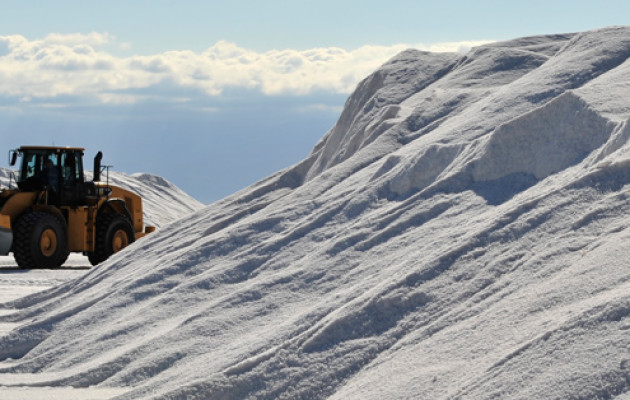
Here at Morton, we prepare for the winter season all year long. Our team mines and stockpiles salt throughout the year to supply customers with deicing salt, whether by vessel, barge, rail, or truck.

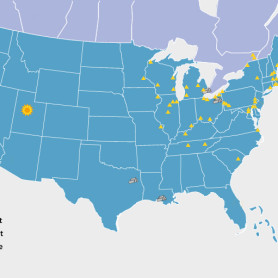
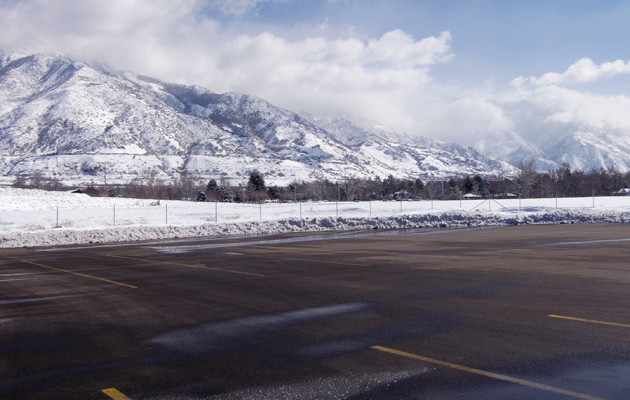
Did you ever wonder how a common mineral like salt can have such an impact on our ability to get around safely in the winter?

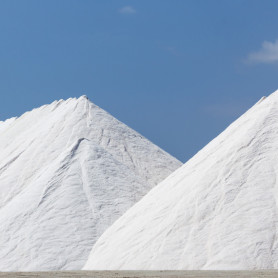
Performance Enhanced Treated Salt.

Standard Rock Salt.
Pre-wet Treated Rock Salt.
Solar-Evaporated Salt that Clears the Way.
Treated With Calcium Chloride.
Treated With Magnesium Chloride.
Did you know three out of four American households experience hard water? Morton will send you a water test strip to help you find out if you have hard water. Let’s begin!
MortonSalt.com uses cookies to provide you with a great user experience and track data to improve performance. By continuing to use this site you consent to the use of cookies in accordance with our Privacy Policy.