



Salt Saves Lives
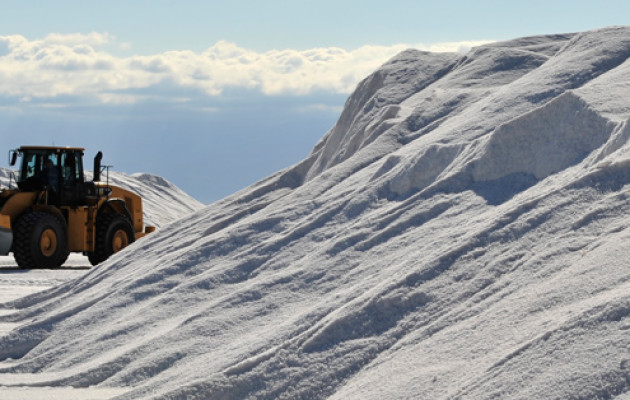
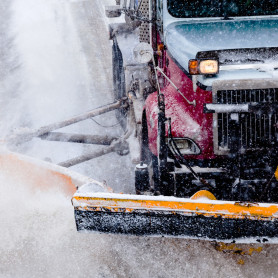
Salt is a major player in winter road safety. Ice and snow buildup can cause dangerous road conditions when it goes unchecked. In icy and snowy conditions, the rate of highway accidents before salt is spread on the road is about eight times higher than that after salt is used.1
Safety Starts with Salt
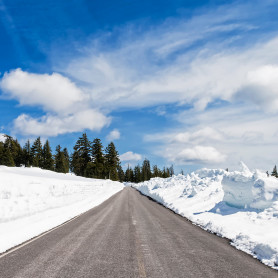
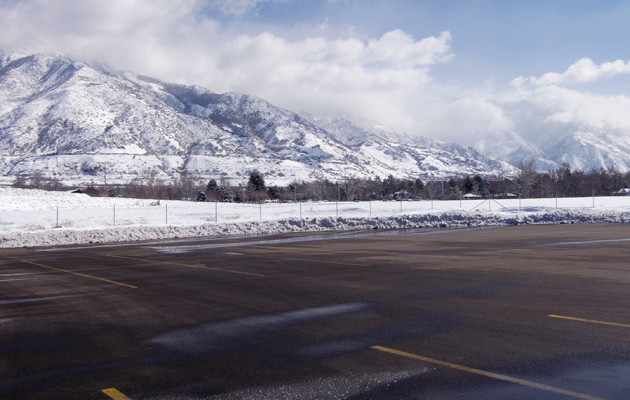
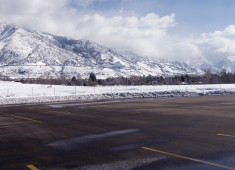
When winter conditions make for treacherous driving, salt saves lives. Using salt to maintain roads in response to winter snow and ice events contributes to a dramatic reduction in roadway accidents. It helps to keep roads safe for winter driving.
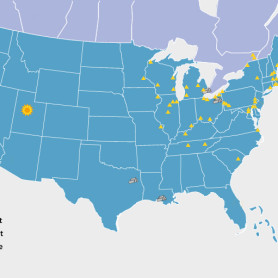
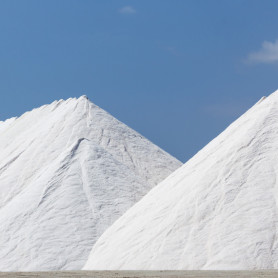
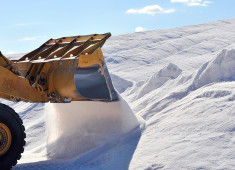
Morton Salt is committed to winter driving safety across North America, and continues to pursue that goal by supporting sensible salting. Morton Salt is passionate about safety and the effective use of road salt to support it.
Salt's Big Impact
Statistics show that implementing winter maintenance programs that consist of salt spreading can help clear the way for safer driving conditions. According to a 1992 study conducted by Marquette University, in the first four hours after salt is applied, traffic crashes are reduced by 85% and the severity of these traffic accidents is greatly reduced.1 Furthermore, winter road maintenance service pays for itself within the first two hours after salt spreading1. Not only is salt effective but it is also an economical choice for winter road maintenance. Salt plays a vital role in winter road safety by reducing the chances for severe traffic accidents, keeping you and your community safe.
In addition to saving lives, clear roads keep the world moving. According to a March 2010 study conducted by IHS Global Insight for the American Highway Users Alliance, in some states, a one-day road shutdown caused by a snowstorm can cost as much as $300-$700 million in both direct and indirect costs2. Applying salt to winter roads helps get people, products and equipment to where they are needed most. In the end, life keeps moving despite the winter freeze.
References:
- D. Kuemmel and R. Hanbali, "Accident Analysis of Ice Control Operations" Report, June 1, 1992, Marquette University, Department of Civil & Environmental Engineering (the "Marquette Report"). A copy of the Marquette Report may be accessed at http://www.trc.marquette.edu/publications/index.html. The study was sponsored by The Salt Institute.
- "The Economic Costs of Disruption from a Snowstorm," March 30, 2010 American Highway Users Alliance study conducted by IHS Global Insight. A copy of this study may be accessed at http://www.highways.org/publications/research.